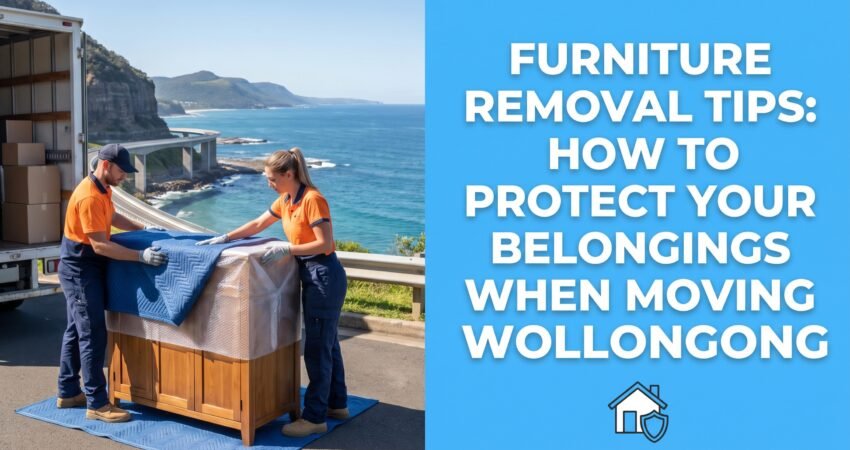
Furniture Removal Tips: How to Protect Your Belongings When Moving in Wollongong
Moving furniture is often the hardest part of moving house. Boxes can be packed and carried easily, but sofas, beds, wardrobes, dining tables, fridges, desks and fragile cabinets need more planning.
One wrong lift, weak wrapping or tight doorway can lead to scratches, dents, broken parts, damaged walls or even injury. This is especially important for renters, families, apartment residents, students, seniors downsizing and anyone moving valuable furniture in Wollongong.
This guide shares practical furniture removal tips to help you protect your belongings before, during and after moving day. You will learn how to prepare furniture, pack fragile items, move heavy pieces safely, avoid common mistakes and decide when to use professional furniture removalists.
Shellharbour Removals provides Furniture Removalists, Local Removalists, Interstate Removalists and Office Removalists services for customers moving across Shellharbour, Wollongong and nearby NSW areas.
The best furniture removal tips are to measure furniture first, clear pathways, dismantle large items, wrap surfaces, protect corners, empty drawers, label parts, use proper lifting support, avoid dragging heavy furniture and hire furniture removalists for bulky, fragile or high-value items.
Why Furniture Removal Planning Matters
Furniture removal planning matters because large, heavy and awkward items are more likely to cause damage, delays or injury if they are moved without preparation.
Furniture is different from normal boxes. It can be heavy, uneven, fragile, difficult to grip and hard to move through narrow spaces. WorkSafe Victoria notes that moving or lifting large, heavy, bulky or awkward objects can increase the risk of musculoskeletal injuries such as sprains, strains and soft-tissue injuries.
Good planning helps you:
- Protect furniture from scratches, dents and cracks
- Reduce damage to walls, floors and door frames
- Avoid unnecessary lifting strain
- Save time on moving day
- Make loading and unloading easier
- Keep fragile or valuable furniture safer
- Reduce stress for renters and families
- Prepare properly for professional removalists
For example, moving a sofa from a Wollongong apartment with stairs needs different preparation than moving a dining table from a single-level home. A student moving one desk and bed may need only a small furniture move, while a family may need full furniture relocation support.
Key Furniture Removal Terms Explained
Furniture removal terms are easier to understand when you know what each service or moving task actually means.
These definitions help beginners understand the furniture removal process before booking a mover or planning a DIY move.
Furniture Removal
Furniture removal means moving furniture from one place to another. This may include loading, transport, unloading, placement and sometimes dismantling or reassembly.
Furniture Removalists
Furniture removalists are movers who help with large, bulky or heavy furniture such as lounges, beds, wardrobes, cabinets, white goods, office furniture and single items. Shellharbour Removals states that its furniture removalists can help with lounges, beds, cabinets, wardrobes, white goods, office furniture and bulky items.
Furniture Packing
Furniture packing means protecting furniture before transport. This may include wrapping, padding, taping, covering, removing loose parts and protecting fragile surfaces.
Furniture Relocation
Furniture relocation means moving furniture to another room, home, apartment, office, suburb or state.
Bulky Item Removal
Bulky item removal is for large items that are difficult to lift or carry, such as sofas, wardrobes, dining tables, mattresses, fridges and cabinets.
Single-Item Furniture Move
A single-item furniture move is when you only need one item moved, such as a bed, table, lounge, fridge or wardrobe. Shellharbour Removals notes that single-item furniture removal is available for one item or a few furniture pieces.
Furniture Removal Checklist Before Moving Day
The best furniture removal checklist starts with measuring, decluttering, dismantling, wrapping, labelling and clearing access before the movers arrive.
Use this checklist 1–2 weeks before moving day.
Measure Large Furniture
Measure:
- Sofa length and depth
- Bed frames
- Mattresses
- Wardrobes
- Dining tables
- Fridges
- Washing machines
- Desks
- Cabinets
- Outdoor furniture
Then measure:
- Doorways
- Hallways
- Staircases
- Lift openings
- Balcony access
- Garage entry
- Truck parking distance
This helps you know whether furniture will fit through the property without forcing it.
Empty Furniture Before Moving
Empty:
- Drawers
- Wardrobes
- Bedside tables
- Cabinets
- Desks
- Shelving units
- TV units
- Filing cabinets
Empty furniture is lighter, safer and less likely to break.
Remove Loose Parts
Remove and label:
- Shelves
- Glass panels
- Table legs
- Bed slats
- Drawer handles if needed
- Cushions
- Removable doors
- Office chair wheels
- Mirror attachments
Put screws, bolts and small parts in a labelled zip bag. Tape the bag to the item or keep all parts in one clearly marked container.
Take Photos Before Dismantling
Take photos of:
- Bed frame setup
- Desk connections
- Cabinet parts
- TV unit cables
- Office furniture layout
- Antique or valuable furniture condition
Photos help with reassembly and provide a record of the furniture’s condition before moving.
Clear Pathways
Before moving day:
- Move small items out of hallways
- Remove rugs that may slip
- Keep children and pets away from access areas
- Open gates
- Reserve parking if needed
- Check stairs and lifts
- Remove trip hazards
- Protect floors where needed
Safe Work Australia recommends identifying hazardous manual tasks and eliminating or minimising risks linked to lifting, pushing, pulling and carrying.
How to Pack and Protect Furniture
The best way to protect furniture when moving is to wrap surfaces, pad corners, secure loose parts and use the right materials for each furniture type.
Furniture packing is not only about appearance. It helps reduce damage during lifting, truck loading, transport and unloading.
Furniture Packing Supplies
Useful supplies include:
- Moving blankets
- Bubble wrap
- Stretch wrap
- Packing paper
- Corner protectors
- Mattress covers
- Tape
- Labels
- Zip bags
- Cardboard sheets
- Furniture pads
- Rope or straps
- Marker pens
How to Protect Wooden Furniture
For wooden furniture:
- Dust and clean the surface.
- Remove loose parts.
- Wrap with a moving blanket.
- Protect corners.
- Avoid placing tape directly on polished wood.
- Keep screws and parts labelled.
- Avoid dragging furniture across floors.
Wood can scratch easily, especially on corners, legs and polished surfaces.
How to Protect Glass Furniture
For glass furniture:
- Remove glass panels where possible.
- Wrap glass in packing paper.
- Add bubble wrap.
- Use cardboard on both sides.
- Label as fragile.
- Keep glass upright when appropriate.
- Do not stack heavy items on glass.
Glass tabletops, mirrors and cabinet doors should be treated as fragile items.
How to Protect Upholstered Furniture
For sofas, chairs and fabric items:
- Vacuum before wrapping
- Remove cushions
- Use plastic or fabric covers
- Protect arms and corners
- Avoid dragging
- Keep fabric away from sharp edges
- Keep moisture away during transport
How to Protect Mattresses
Use a mattress cover before moving.
This helps protect against:
- Dust
- Dirt
- Moisture
- Rubbing
- Stains
- Contact with floors or truck surfaces
How to Protect Office Furniture
For office furniture:
- Empty filing cabinets
- Remove loose drawers if needed
- Label desk parts
- Pack cables separately
- Photograph workstation setups
- Wrap screens and delicate items separately
- Keep important documents secure
Shellharbour Removals provides office removalist support for desks, chairs, filing cabinets, boxes and office furniture.
How to Move Furniture Safely
Furniture should be moved safely by reducing weight, using enough people, avoiding awkward lifting and planning the route before lifting begins.
Large furniture can create safety risks because it may require lifting, lowering, pushing, pulling or carrying. Safe Work Australia explains that hazardous manual tasks can include lifting, lowering, pushing, pulling, carrying or moving objects where there is force, awkward posture, repetition or vibration.
Step-by-Step Safe Furniture Moving Process
- Plan the path
Check the route before lifting. Remove obstacles, open doors and protect floors where needed. - Reduce the weight
Empty drawers, remove shelves and dismantle parts when possible. - Use the right support
Use dollies, trolleys, straps, sliders or professional moving help for heavy items. - Lift with enough people
Do not attempt to move heavy or awkward furniture alone. - Avoid twisting
Turn your whole body instead of twisting your back while carrying. - Move slowly
Rushing increases the risk of damage and injury. - Protect walls and corners
Use blankets or padding around tight spaces. - Load carefully
Place heavier furniture securely and avoid placing fragile items under weight. - Secure items in the vehicle
Use straps or supports to reduce movement during transport. - Unload with a room plan
Decide where each item goes before unloading to avoid moving it twice.
When Not to Move Furniture Yourself
Avoid DIY moving if the item is:
- Too heavy
- Too awkward
- Valuable
- Fragile
- Antique
- Difficult to grip
- Too large for the doorway
- Going up or down stairs
- Being moved from an apartment
- At risk of damaging the property
For heavy or bulky items, using Furniture Removalists can reduce risk and make the job more manageable.
Furniture Tips by Item Type
Different furniture needs different protection, so match your packing method to the item.
Here is a practical furniture removal guide by item type.
| Furniture Item | Main Risk | Best Protection Tip |
| Sofa | Fabric stains, corner damage, difficult grip | Remove cushions, wrap arms and cover fabric |
| Bed frame | Lost screws, scratched panels | Dismantle, label parts and bag screws |
| Mattress | Dirt, moisture, bending | Use a mattress cover and keep it protected |
| Wardrobe | Heavy weight, loose shelves | Empty fully, remove shelves and secure doors |
| Dining table | Scratched top, damaged legs | Remove legs if possible and wrap tabletop |
| Glass cabinet | Broken glass, fragile doors | Remove glass panels and wrap separately |
| Fridge | Appliance damage, awkward weight | Empty, clean, secure doors and move upright where possible |
| Washing machine | Water leaks, drum movement | Disconnect safely and drain water before moving |
| Office desk | Loose parts, scratches | Remove drawers, label parts and wrap surfaces |
| Filing cabinet | Weight, drawer movement | Empty contents and secure drawers |
Tip for Apartment Residents
Apartment moves need extra planning. Check lift size, loading dock rules, stair access, parking and building move-in or move-out times before moving day.
Tip for Students
Students moving rooms or shared housing should pack small furniture first, label boxes clearly and avoid moving heavy desks or mattresses alone.
Tip for Seniors Downsizing
Seniors downsizing should focus on sorting furniture early, choosing what to keep and getting help with heavy or awkward items.
DIY Furniture Moving vs Professional Removalists
DIY furniture moving may suit small items, but professional removalists are safer for heavy, bulky, fragile or valuable furniture.
Use this comparison before deciding.
| Option | Best For | Benefits | Risks |
| DIY furniture move | Small, light furniture | Lower upfront cost, more control | Injury risk, damage risk, truck hire |
| Hire a truck or van | Short-distance small moves | Flexible timing | Requires lifting help and equipment |
| Furniture removalists | Heavy or bulky furniture | Safer handling, proper loading, less stress | Requires booking |
| Local removalists | Full local home moves | Moves boxes and furniture together | Needs accurate item list |
| Office removalists | Business furniture | Organised workplace relocation | Needs planning around downtime |
| Interstate removalists | Long-distance furniture moves | Better planning for longer travel | More details required |
When DIY May Work
DIY may work if:
- The furniture is small
- You have enough helpers
- The item is not fragile
- There are no stairs
- You have the right vehicle
- You can safely lift and carry
When Professional Help Is Better
Professional help is better if:
- Furniture is heavy
- You are moving upstairs
- Access is tight
- The item is valuable
- You are moving multiple rooms
- You are moving office furniture
- You are relocating long distance
- You want to reduce lifting risk
For full local moves, Shellharbour Removals provides Local Removalists support for homes, units, offices and furniture items.
Furniture Removal Examples
Real examples make it easier to choose the right furniture moving approach.
These scenarios reflect common moving needs around Wollongong, Shellharbour and nearby NSW areas.
Example 1: Renter Moving Out of a Wollongong Unit
A renter moving out of a unit may need to move:
- Sofa
- Bed frame
- Mattress
- TV unit
- Dining table
- Fridge
- Washing machine
- Boxes
Best approach:
- Book lift access if needed
- Move furniture before bond cleaning
- Clear hallways
- Protect walls and floors
- Use removalists for heavy items
Example 2: Family Moving to a New House
A family may need to move:
- Multiple beds
- Large dining table
- Wardrobes
- Lounge suite
- Outdoor furniture
- Appliances
- Office desks
- Children’s furniture
Best approach:
- Dismantle beds early
- Label furniture by room
- Wrap dining and lounge furniture
- Keep children away from loading areas
- Use professional movers for heavy items
Example 3: Student Moving Shared Housing
A student may need to move:
- Single bed
- Desk
- Chair
- Bookshelf
- Clothing boxes
- Small appliances
Best approach:
- Pack small items first
- Use strong boxes
- Get help for desk and mattress
- Avoid moving heavy items alone
- Use a small furniture move if needed
Example 4: Senior Downsizing
A senior may need to move selected furniture only.
Best approach:
- Decide what furniture fits the new home
- Measure doorways and rooms
- Move sentimental or valuable pieces carefully
- Avoid physical strain
- Use furniture removalists for bulky items
Example 5: Small Office Furniture Move
A small business may need to move:
- Desks
- Chairs
- Filing cabinets
- Meeting table
- Shelving
- Office boxes
- Equipment
Best approach:
- Label workstations
- Empty filing cabinets
- Pack cables and equipment separately
- Plan furniture placement before delivery
- Use Office Removalists if downtime matters
Common Furniture Moving Mistakes
Most furniture moving mistakes happen when people rush, skip wrapping, underestimate weight or fail to plan access.
Avoid these common problems.
- Not measuring furniture first
This matters because furniture may not fit through doorways, stairs or lifts. Measure before moving day. - Leaving drawers full
Full drawers add weight and may slide open. Empty furniture before lifting. - Dragging furniture across floors
Dragging can scratch floors and damage furniture legs. Lift properly or use furniture sliders. - Using tape directly on furniture surfaces
Tape can damage polished, painted or delicate surfaces. Tape wrapping materials, not the furniture itself. - Forgetting to label screws and parts
Lost screws make reassembly difficult. Use labelled zip bags. - Not protecting corners
Corners hit walls and door frames easily. Use padding or corner protectors. - Trying to move heavy furniture alone
Heavy furniture can cause injury or damage. Get help or hire removalists. - Not clearing pathways
Cluttered hallways slow the move and increase risk. Clear access before moving starts. - Packing fragile furniture poorly
Glass, mirrors and cabinets need extra protection. Wrap and label them clearly. - Not checking access at the new property
Furniture may fit out of the old home but not into the new one. Measure both properties.
Expert Furniture Removal Tips
The best furniture removal tips come from planning the move around weight, access, protection and placement before lifting begins.
Shellharbour Removals lists 11+ years of experience and describes its work process as packing, loading and unloading. The business also states that its experienced Shellharbour movers provide safe furniture removals, office moving, local moving and interstate relocation support.
Best Practices Before Moving Day
- Create a furniture inventory.
- Mark fragile items.
- Measure all large pieces.
- Clear hallways and stairs.
- Empty drawers and cabinets.
- Dismantle beds and tables when practical.
- Keep screws and bolts labelled.
- Protect glass separately.
- Use mattress covers.
- Tell movers about stairs, lifts and tight access.
- Take photos of valuable items.
Best Practices on Moving Day
- Keep children and pets away from moving areas.
- Show removalists fragile or valuable furniture.
- Point out tight corners and narrow access.
- Keep important parts and screws together.
- Avoid standing in loading areas.
- Let movers know where each item should go.
- Check furniture condition after unloading.
Expert Insight
Furniture damage often happens at transition points: doorways, stairs, truck loading and unloading. These are the moments where furniture should be moved slowly, angled carefully and protected with padding.
Source-Based Safety and Consumer Insights
Reliable furniture moving advice should be based on safety guidance, consumer rights and real moving experience.
Here are useful source-based insights:
- Safe Work Australia says hazardous manual tasks can include lifting, lowering, pushing, pulling, carrying, moving, holding or restraining an object when forces, awkward postures, repetition or vibration are involved.
- Safe Work Australia’s Model Code of Practice provides guidance on identifying hazardous manual tasks, assessing risks that may contribute to musculoskeletal disorders and eliminating or minimising those risks.
- WorkSafe Victoria says moving or lifting large, heavy, bulky or awkward objects can increase the risk of musculoskeletal disorders, including sprains, strains and soft-tissue injuries.
- AFRA describes itself as Australia’s peak body for the removals industry and says it supports the industry through advocacy, compliance, training and education.
- NSW Government says removalist services are covered by Australian Consumer Law consumer guarantees, including due care and skill, fitness for purpose and reasonable time when no timeframe is set.
There is no single fixed cost for furniture removals because pricing depends on item size, access, distance, number of movers, stairs, packing needs, travel time and service level.
Why Choose Shellharbour Removals?
Shellharbour Removals is a practical choice for customers who need furniture moving support across Shellharbour, Wollongong and nearby areas.
The business provides furniture removals, local moves, office moves and interstate relocation support. Its furniture removalist page says the team can assist with lounges, beds, cabinets, wardrobes, white goods, office furniture, bulky items and single-item furniture moves.
Furniture Removalists
Use Furniture Removalists if you need help with:
- Sofas
- Beds
- Cabinets
- Wardrobes
- White goods
- Dining tables
- Office furniture
- Bulky furniture
- Single-item moves
Local Removalists
Use Local Removalists if you are moving furniture as part of a local house, apartment, unit or office move. Shellharbour Removals states that its local moving support includes homes, units, offices and furniture items.
Interstate Removalists
Use Interstate Removalists if your furniture needs to move longer distance from Shellharbour, Wollongong or the Illawarra to another city or state. Shellharbour Removals says it can help with moves from Shellharbour to Sydney, Canberra, Melbourne and Brisbane, as well as return moves.
Office Removalists
Use Office Removalists if you are relocating desks, chairs, filing cabinets, office furniture or commercial items.
Contact Details
For furniture moving help, contact Shellharbour Removals:
Website: https://shellharbourremovals.com.au/
Contact Page: https://shellharbourremovals.com.au/contact-us/
Phone: 0449 994 831
Email: info@shellharbourremovals.com.au
Key Takeaways
- Measure large furniture before moving day.
- Empty drawers, cabinets and wardrobes before lifting.
- Remove loose parts and label screws clearly.
- Wrap wooden, glass, fabric and fragile furniture properly.
- Use mattress covers and corner protection.
- Clear hallways, stairs and parking access.
- Avoid dragging furniture across floors.
- Do not move heavy or awkward furniture alone.
- Use professional removalists for bulky, fragile or valuable items.
- Shellharbour Removals can help with furniture, local, interstate and office moves.
FAQs About Furniture Removal Tips
What are the best furniture removal tips?
The best furniture removal tips are to measure large items, clear access, empty drawers, dismantle furniture where possible, wrap surfaces, protect corners, label parts and use help for heavy items.
How do I protect furniture when moving?
Use moving blankets, bubble wrap, corner protectors, mattress covers and labelled parts bags. Avoid placing tape directly on polished, painted or delicate furniture surfaces.
How do I move heavy furniture safely?
Reduce the weight first, use enough people, avoid twisting, use moving equipment where possible and avoid rushing. Hire removalists for heavy, awkward or valuable items.
Should I dismantle furniture before moving?
Yes, dismantle large furniture if it makes the item safer and easier to move. Beds, tables, desks and some cabinets are often easier to move in parts.
How do I move furniture without scratching floors?
Clear the path, lift instead of dragging, use furniture sliders where suitable and protect floors in high-traffic areas.
Can removalists move single furniture items?
Yes. Shellharbour Removals states that single-item furniture removal is available for one item or a few furniture pieces.
What furniture is hardest to move?
Sofas, wardrobes, fridges, washing machines, dining tables, mattresses, glass cabinets and large desks are often difficult because of size, weight or awkward shape.
Do I need furniture removalists for an apartment move?
Furniture removalists are useful for apartment moves with stairs, lifts, tight hallways, limited parking or heavy items.
How should I prepare furniture before removalists arrive?
Empty furniture, remove loose parts, label screws, wrap fragile items, clear access and tell the movers about stairs, lifts, tight spaces or valuable items.
Can Shellharbour Removals help with office furniture?
Yes. Shellharbour Removals provides office removalist support for desks, chairs, filing cabinets, boxes and office furniture.
Conclusion
Moving furniture safely takes more than strength. It requires planning, protection, clear access, the right packing materials and careful handling.
Before moving day, measure your furniture, empty drawers, dismantle large items, wrap fragile pieces and prepare pathways. During the move, avoid rushing, protect corners and use help for heavy or awkward items.
For renters, families, students, seniors and businesses in Wollongong or nearby areas, these furniture removal tips can help reduce damage, stress and moving-day delays.
Need help moving furniture in Wollongong, Shellharbour or nearby NSW areas? Shellharbour Removals can assist with heavy furniture, bulky items, local moves, office furniture and longer-distance relocations.
Call 0449 994 831, email info@shellharbourremovals.com.au, or visit the Contact Page to request a furniture removal quote.